A guide to what changes from area to area
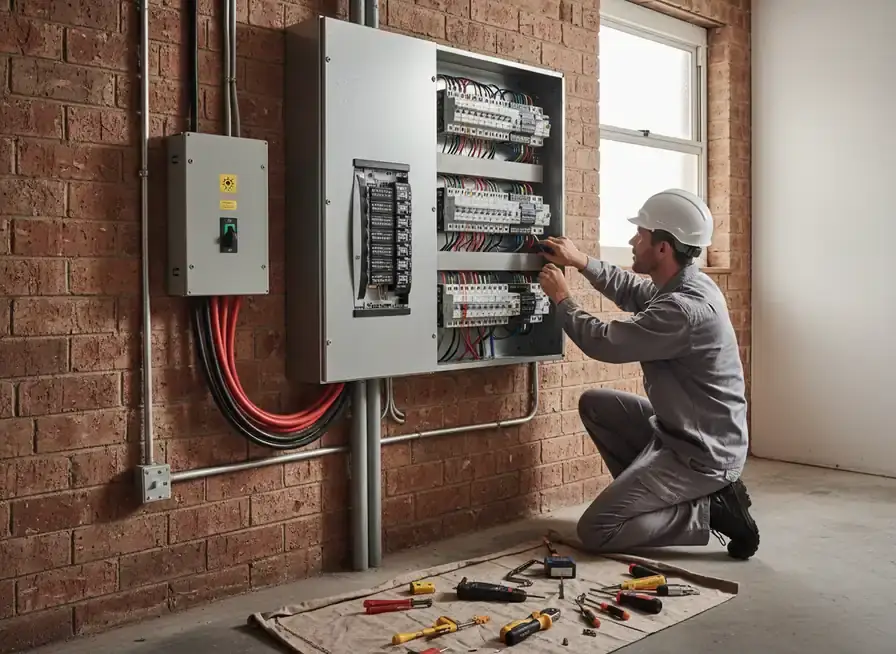
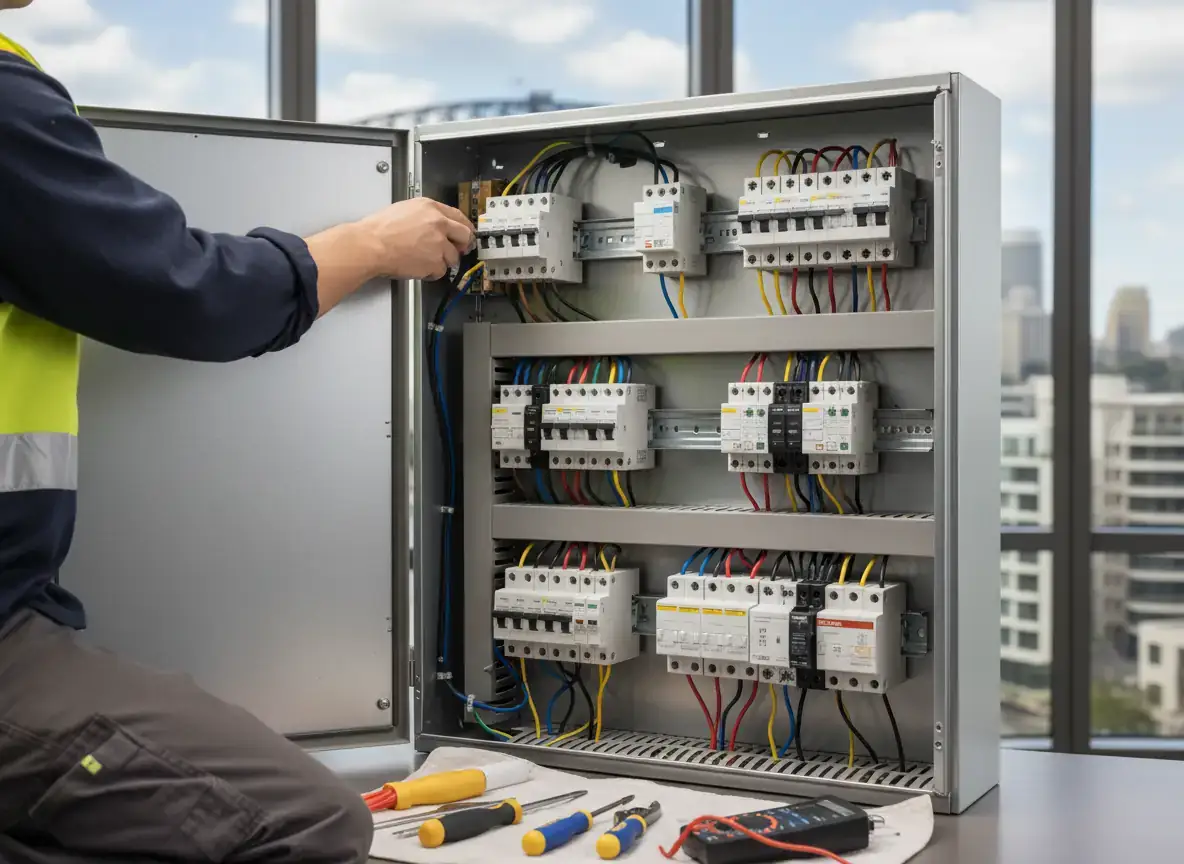
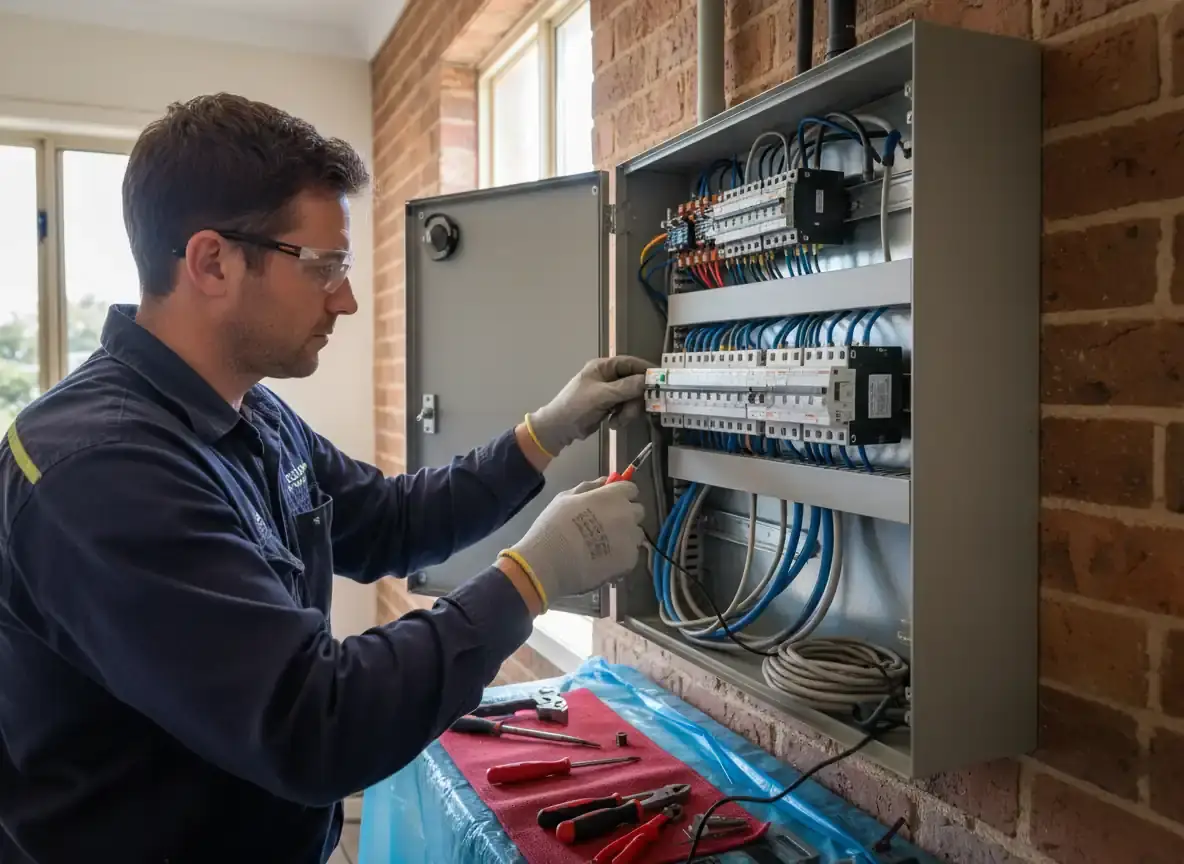
Every switchboard upgrade covers the same basics: removing old fuses or a worn board, adding safety switches and testing the finished circuits. The differences come from the homes themselves, and those tend to follow the age and layout of each part of Sydney.
Older terraces and cottages
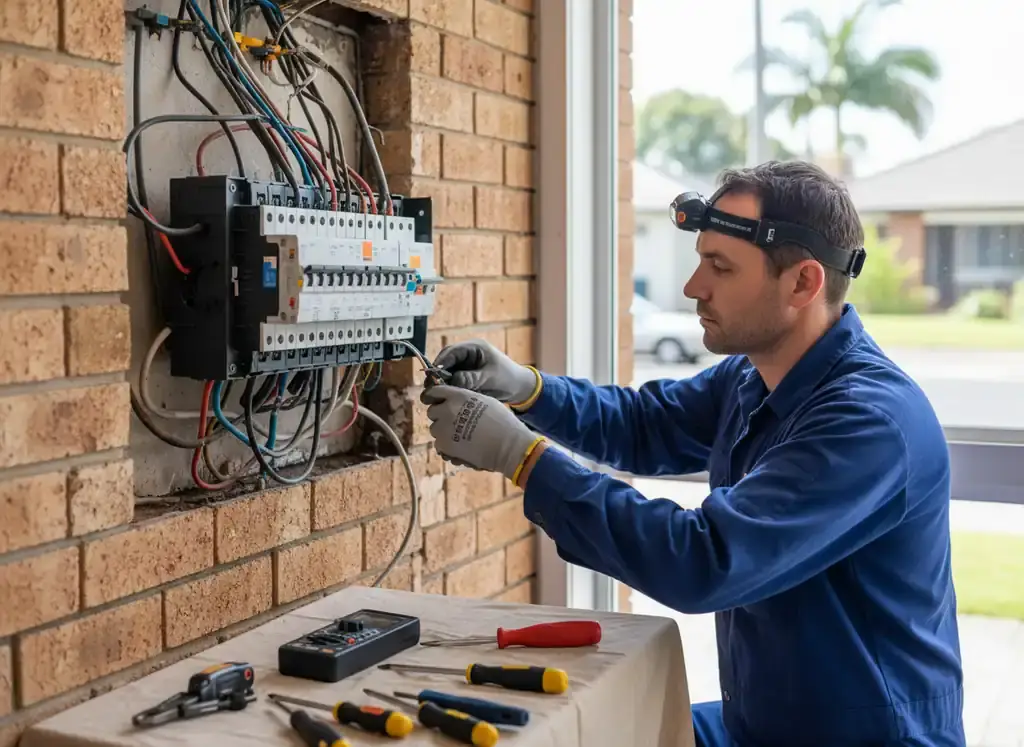
Inner suburbs such as Newtown, Balmain and Marrickville have plenty of homes built well before modern safety switches existed. Boards here often still have ceramic fuses, cloth or rubber insulated cabling, or a mix of old and new parts from earlier renovations. Expect the contractor to look past the board itself, because older wiring behind it can shape the scope of the job.
Apartments and shared meter rooms
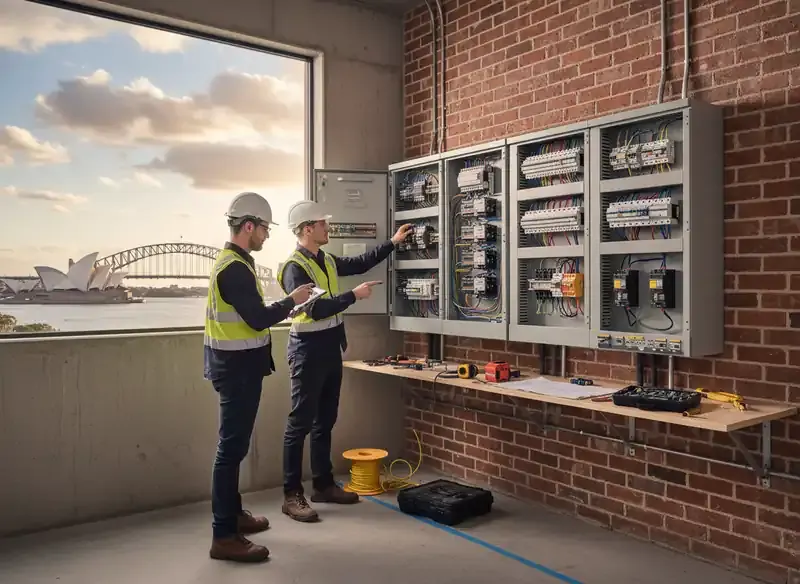
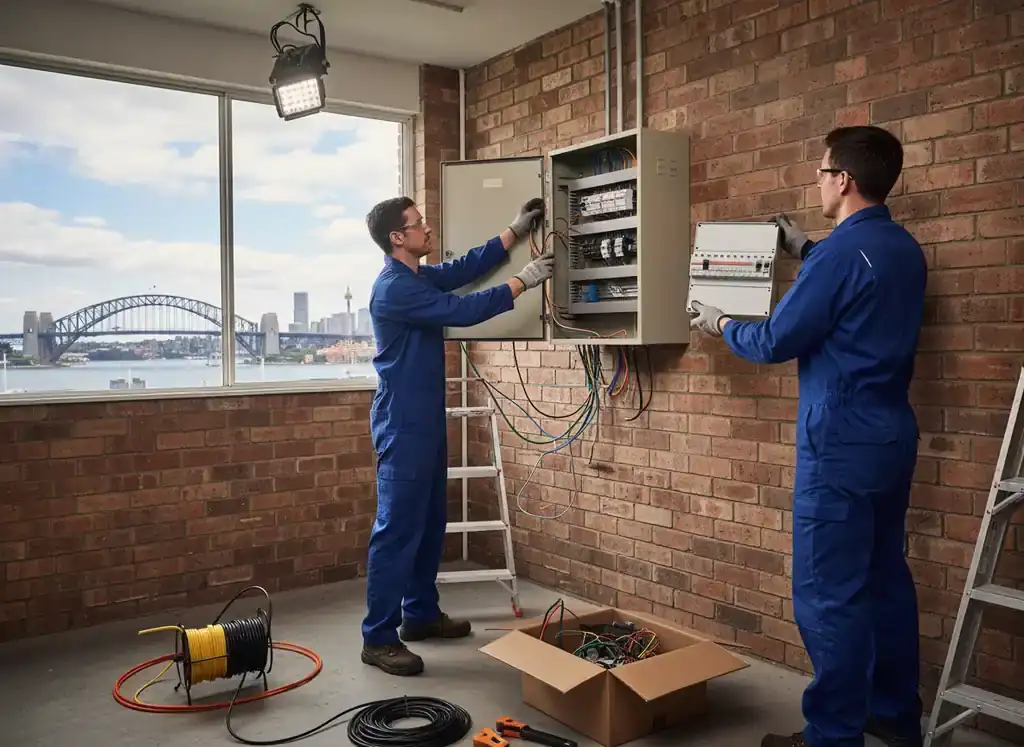
Around Bondi, Randwick and Chatswood, many people live in unit blocks where the meters sit in a common room or cupboard. Your own board may be inside the unit, but anything that touches the shared meter panel can involve the owners corporation or building manager. Check your strata arrangements before work is booked.
Coastal homes
Near the water at Manly and Bondi, salt air is hard on outdoor meter boxes, hinges and terminals. Corrosion on the enclosure is a common reason to replace the box along with the board, not just swap the switches inside it.
Larger blocks and growing households
Out in Castle Hill, Penrith, Blacktown and Hornsby, bigger homes with ducted air conditioning, pool pumps, solar panels or an electric vehicle charger can outgrow a small single phase board. This is where a solar ready board, a three phase upgrade or a meter box upgrade usually comes into the conversation.
When the network connection is involved
A straightforward board replacement inside an existing home generally doesn't need a council development application. Work that changes the connection to the street supply, such as moving to three phase or relocating the meter box, can need approval from the electricity distributor first. Ask about this early, because it can affect timing.
Choosing the right upgrade for your home
Your suburb gives a hint, but your own board tells the real story. A quick look at a few things helps you narrow down which service fits:
- Fuses or switches: pull out ceramic fuses or wire fuses mean a full switchboard or fuse box replacement is likely.
- Safety switches: if there is no button marked "test", safety switch installation should be on the list.
- Planned additions: solar, batteries, a car charger or a large air conditioner point towards a solar ready or three phase board.
- Box condition: rust, cracked covers or a cramped enclosure suggest a meter box upgrade.
- Storm exposure: homes that lose appliances during storms may benefit from surge protection.
Before you book in your suburb
Open the meter box and take note of what you see: fuses or switches, any test buttons, signs of rust or scorching, and whether the box is shared with neighbours. Note the age of the home if you know it and any appliances you plan to add in the next few years. Those details make it far easier to compare quotes fairly, wherever in Sydney you live.